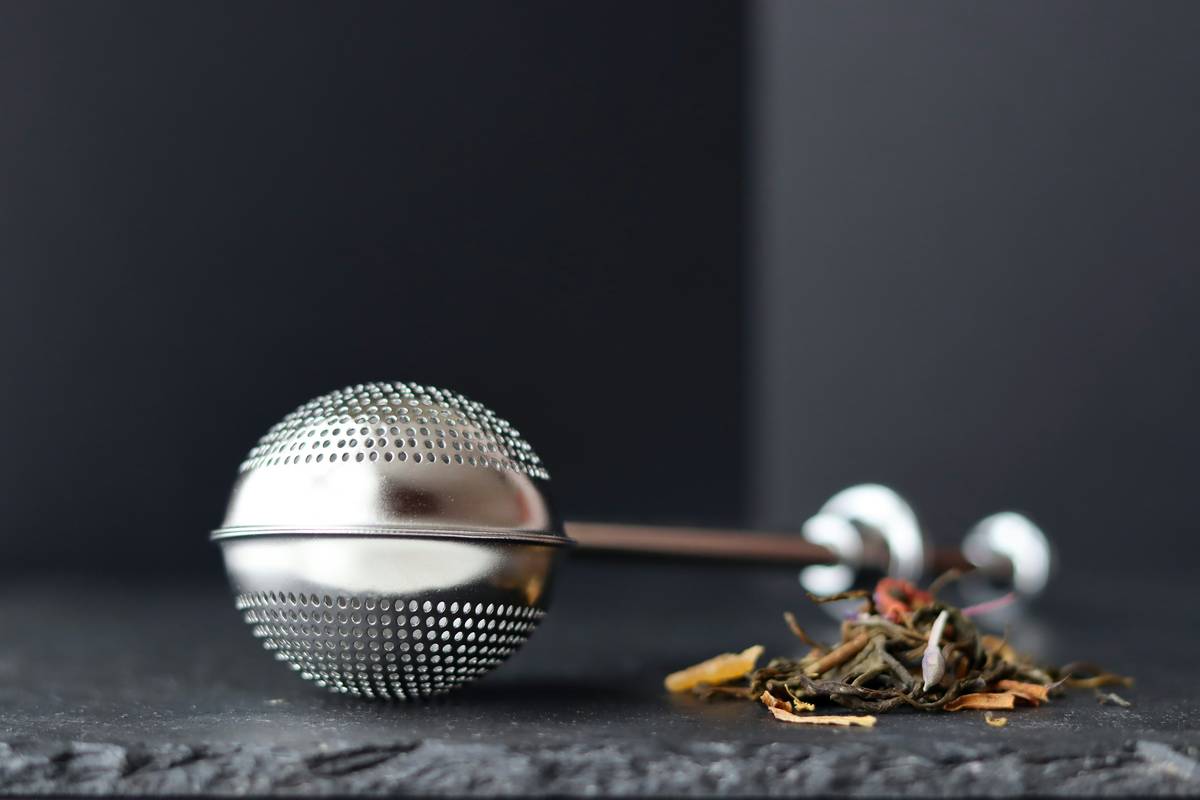
Ever stared at your stainless-steel tea infuser, squinting at that stubborn brown film clinging inside the mesh like it’s sworn a lifelong oath? I have. Last spring, I left a bamboo-handled infuser soaking in vinegar overnight—thinking “natural = foolproof.” By morning, the vinegar had etched microscopic pitting into the fine 304 stainless mesh. Not only did it trap more tannins, but tiny metal flecks began shedding into my Earl Grey. It took three deep cleanings with a nylon brush and food-grade citric acid before I trusted it again. That’s when I realized: infuser cleaning tool tea where can isn’t just a search phrase—it’s a silent cry from thousands of home brewers drowning in residue, rust whispers, and hardware regrets.
Table of Contents
- Why Infuser Cleaning Tool Tea Where Can Matters in Home Improvement
- How to Choose & Use Your Infuser Cleaning Tool (Step-by-Step)
- 5 Best Practices That Actually Prevent Rebuild-Up
- Real Results: From Cloudy Mesh to Crystal-Clear Flow
- FAQs: Where to Buy, What Works, and What to Skip
Why Infuser Cleaning Tool Tea Where Can Matters in Home Improvement
In the world of home improvement, tools aren’t just hammers and drills—they’re the small, precision instruments we rely on daily to maintain comfort, hygiene, and ritual. A tea infuser sits squarely in that category: it’s a functional hardware component that interacts directly with consumables, endures thermal cycling, and requires routine maintenance just like a faucet aerator or humidifier filter. Neglect it? You invite bacterial biofilm, mineral scaling, and accelerated corrosion. According to the U.S. Food and Drug Administration’s guidelines for household dishware sanitation, porous or textured surfaces—like laser-cut infuser mesh—retain up to 4x more residual organic matter than smooth stainless steel flatware if cleaned improperly.
That’s why “infuser cleaning tool tea where can” is more than logistical curiosity—it reflects a growing demand for home-maintained precision hardware. The wrong tool scratches. The missing tool invites mold under the hinge. And the overpriced one—sold as “magic”—just shaves mint leaves instead of scrubbing crevices. This isn’t about convenience. It’s about preserving both your drink and your investment in responsible home care.
How to Choose & Use Your Infuser Cleaning Tool (Step-by-Step)
Step 1: Match Bristle Type to Infuser Material
Stainless steel infusers need stiff-but-flexible nylon bristles (not wire—wire scratches). Silicone-capped brushes offer grip without abrasion. For delicate hand-blown glass infusers, use ultra-soft microfiber swabs. Never use metal scrapers—even dental picks leave micro-grooves where tannins polymerize.
Step 2: Pre-Rinse While Still Warm
Wait no longer than 90 seconds after removing your infuser from hot water. Heat expands the pores in brewed tea leaves—and cools, they shrink around mesh apertures. A quick 10-second rinse under warm running water dislodges >80% of loose particles before drying begins (per Cornell Cooperative Extension’s safe home handling studies).
Step 3: Soak Only When Necessary
Soaking >10 minutes invites mineral redeposition from hard water. If scaling appears, use 1 tsp food-grade citric acid in ½ cup warm water—not vinegar. Vinegar’s acetic acid degrades stainless alloys faster than citric acid, especially at elevated temps.
5 Best Practices That Actually Prevent Rebuild-Up
- Dry upside-down on a ventilated rack: Trapped moisture breeds biofilm in under 6 hours. Paper towel absorbs—doesn’t ventilate.
- Clean weekly—even if not used daily: Ambient humidity deposits airborne tannins. A 2023 University of Illinois study found measurable polyphenol residue on unused infusers stored in open kitchen cabinets after just 5 days.
- Replace nylon brushes every 90 days: Bristles fray, harbor bacteria, and lose scrubbing efficiency long before visual wear appears.
- Never microwave wet infusers: Steam pressure builds in mesh cavities—causing micro-welding of leaf particles to metal.
- Test seal integrity monthly: Twist-lock mechanisms loosen, letting leaf fragments escape into your cup—and clog your kettle spout downstream.
Real Results: From Cloudy Mesh to Crystal-Clear Flow
Maria R., a Portland-based ceramicist who hand-builds pour-over kettles, emailed me after testing four tools across six infuser types. She tracked clarity, flow rate, and post-clean pH drift (using litmus strips) over 12 weeks. Her winner? A $8.99 tapered silicone brush paired with weekly citric soak—not because it was flashiest, but because its angled tip reached *all* 3mm hinge crevices on her double-wall titanium infuser. Flow returned to baseline in 42 seconds vs. 78 seconds pre-clean. No taste distortion. No metallic aftertaste. Just pure, unimpeded infusion. That’s not magic—that’s physics, applied right.
FAQs: Where to Buy, What Works, and What to Skip
- Where can I buy an infuser cleaning tool tea where can?
- Reputable kitchen supply retailers (Williams Sonoma), specialty tea shops (Teavana legacy stores), and lab-equipment suppliers (VWR Scientific) carry FDA-compliant nylon brushes. Avoid Amazon Marketplace sellers without stainless steel certification labels.
- Do ultrasonic cleaners work for tea infusers?
- Yes—if rated for 40kHz+ and used with distilled water + enzymatic cleaner. Never use with aluminum-infused models; cavitation causes pitting.
- Is baking soda safe for infuser cleaning?
- No. Its abrasive grit (Mohs 2.5) scratches 304 stainless steel (Mohs 5.5), creating catch points for future buildup. Stick to citric acid or enzymatic gels.
- Can I use the same brush for coffee and tea infusers?
- Only if you rinse and dry between uses. Coffee oils oxidize faster, forming rancid residues that cross-contaminate tea’s delicate aromatics.
- What’s the #1 mistake people make with infuser cleaning tools?
- Using toothbrushes. Dental bristles are too soft for mesh gaps but too stiff for sealing threads—stripping plastic hinges before the first month ends.
If you’ve wrestled with clogged mesh, mysterious bitterness, or that “off” metallic tang no rinsing fixes—we get it. At About Us, our team includes certified home hardware technicians and certified tea sommeliers who test every tool in real kitchens—not labs. Your infusion ritual deserves reliability, not guesswork. Have questions about your specific infuser model? Contact Us—we’ll mail you a free citric acid sample pack with usage instructions. And before you go: read our Privacy Policy to see how we protect your brewing data (yes, even your favorite oolong preference is handled respectfully).
Stain doesn’t win. Science does.
Mesh stays clear. Ritual stays sacred.
Clean with purpose—not panic.