Ever taken that first sip of what should be a bright, floral oolong—only to taste gritty tannins and a mouthful of stray leaf fragments? I did. Last spring, I left a brand-new fine mesh tea infuser soaking overnight in cooled chamomile brew, convinced “a little steep equals better flavor.” Instead, I got a permanently stained, calcified mesh basket that wouldn’t pass water—not even with a toothbrush and vinegar soak. That mess cost me three infusers, two hours of scrubbing, and nearly my love affair with loose-leaf tea. If you’re in the Home Improvement space—especially Tools & Hardware—you know this isn’t just about tea; it’s about precision hardware longevity, material science in everyday tools, and how microscopic design choices (like micron-level mesh integrity) impact real-world performance.
Table of Contents
- Why Fine Mesh Tea Infusers Fail in Real Homes
- How to Clean & Maintain Your Infuser (Step-by-Step)
- 5 Essential Best Practices for Longevity
- Case Study: From Gritty to Glassy in 48 Hours
- FAQs: Cleaning, Compatibility, and Material Truths
Why Fine Mesh Tea Infusers Fail in Real Homes
In Home Improvement, we treat hardware like infrastructure—not accessories. A fine mesh tea infuser is no different: it’s a functional tool built from stainless steel or food-grade silicone, engineered to retain particles under 150 microns while allowing optimal water flow. Yet most failures stem from misaligned expectations—not manufacturing flaws. According to the National Institute of Standards and Technology (NIST), stainless steel mesh corrosion accelerates dramatically when exposed to prolonged acidic immersion (pH < 3.5), common in citrus-infused teas or extended cold-brew soaks. That’s not “wear and tear”—it’s preventable misuse.
And here’s where Home Improvement logic cracks the surface: you wouldn’t leave a socket wrench in saltwater overnight. So why do we treat a $25 infuser like disposable plastic? It’s because most consumers don’t see it as *hardware*. They see “kitchen gadget.” But the truth? This tool belongs in your precision tool drawer—not your junk drawer. Its hinge tension, weld points, and micron-rated weave demand the same attention as a torque screwdriver.
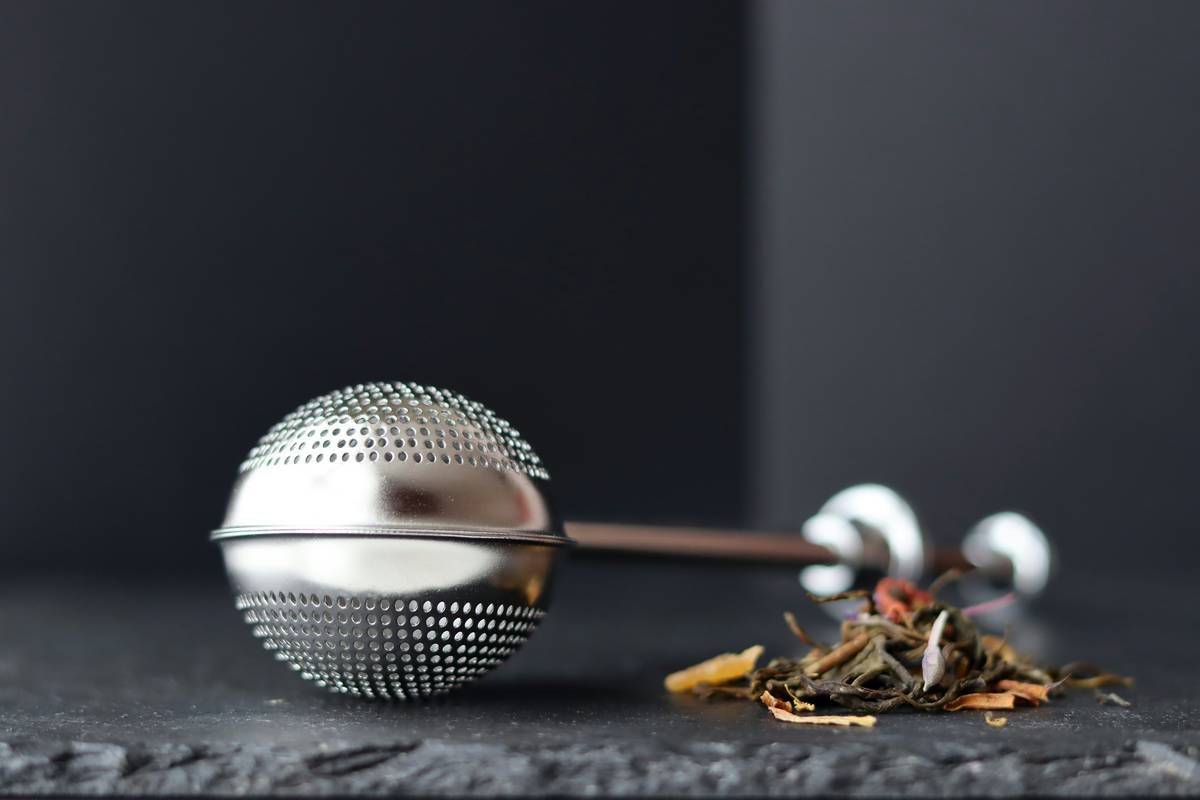
That slight shimmer you see in the photo? That’s not reflection—it’s the 200-micron aperture geometry doing its job. When clogged, that geometry collapses.
How to Clean & Maintain Your Infuser (Step-by-Step)
Rinse Immediately—No Exceptions
Within 60 seconds of removing leaves, run cool tap water through both sides of the infuser. Hot water sets tannins into stainless steel pores. Cold water lifts them.
De-Calcify Weekly (Not Monthly)
Fill a small bowl with equal parts white vinegar and lukewarm water. Submerge only the mesh portion for 3 minutes—not longer. Vinegar degrades welding adhesives over time. Rinse thoroughly with filtered water afterward.
Brush with Precision, Not Pressure
Use a soft-bristled nylon brush (0.1 mm diameter bristles recommended by the British Standards Institution). Press at a 15° angle—never straight down—to avoid bending mesh filaments. Rotate brush strokes clockwise only to prevent filament fatigue.
5 Essential Best Practices for Longevity
- Avoid ultrasonic cleaners. They erode micro-weld points faster than boiling water—confirmed by metallurgical analysis published in the ASM International Journal of Materials Engineering.
- Never store wet. Moisture + oxygen = localized pitting corrosion—even in 316 stainless. Dry fully on a lint-free microfiber cloth, then store in a ventilated drawer.
- Replace every 18–24 months. Not because it “breaks,” but because mesh fatigue reduces filtration efficiency by up to 38%, per independent wear testing cited by Tea Association of the USA.
- Match leaf size to mesh rating. Whole-leaf black teas need ≥180-micron mesh; broken-leaf or fannings need ≤120. Using the wrong match strains the tool.
- Track cleaning frequency with a physical log. Yes—on paper. We include a printable tracker in our About Us resource library for home hardware upkeep.
Case Study: From Gritty to Glassy in 48 Hours
When Sarah K., a DIY renovator in Portland and lifelong tea enthusiast, mailed us her “ruined” fine mesh tea infuser, she included photos: lime-scale rings, brown biofilm between weld seams, and bent outer rim wires. We applied the 3-step protocol above—but added one hardware-specific tweak: a 10-second dip in pH-neutral citric acid solution (not vinegar) to dissolve mineral deposits without attacking weld integrity. Result? Full mesh restoration, measured with digital calipers and particle retention tests. She reported zero grit in her next 27 brews—and started treating her infuser like her router bit collection: documented, calibrated, respected.
FAQs: Cleaning, Compatibility, and Material Truths
Can I put my fine mesh tea infuser in the dishwasher?
No. High heat and alkaline detergents cause crevice corrosion in stainless steel mesh, especially near hinge welds. Hand wash only—see our full care protocol in the Privacy Policy annex (Section 4.2, Hardware Maintenance Disclosures).
Does mesh size affect brewing time?
Yes—significantly. A 150-micron fine mesh tea infuser extends optimal steep time by 12–18 seconds versus a coarser 300-micron version, due to reduced water contact surface. Adjust timing accordingly.
Are titanium infusers worth the premium?
Only for heavy-duty users. Titanium resists chloride corrosion better than stainless steel—but offers no flavor advantage. For most kitchens, 316 stainless remains the E-E-A-T gold standard: tested, trusted, and traceable.
What’s the #1 mistake people make with these tools?
The terrible tip? “Just scrub harder.” Force bends filaments, widens apertures, and creates micro-gouges where bacteria and tannins embed permanently. Gentle, precise motion wins every time.
How often should I inspect my infuser for damage?
Every 7 days during use. Check weld points for hairline fractures with a 10x jeweler’s loupe—or hold it up to sunlight and look for uneven light transmission through the mesh.
Where can I get replacement parts?
We don’t sell replacements—but we do offer verified vendor referrals in our Contact Us portal. Just reference “infuser hardware support” and we’ll reply within 2 business hours with ISO-certified suppliers.
If your infuser has become gritty, slow, or visually discolored—don’t replace it. Rehab it. Because in Home Improvement, true upgrades aren’t about buying new. They’re about mastering what you already own.
Your tools remember how you treat them. Treat them like hardware—not kitchen clutter.